
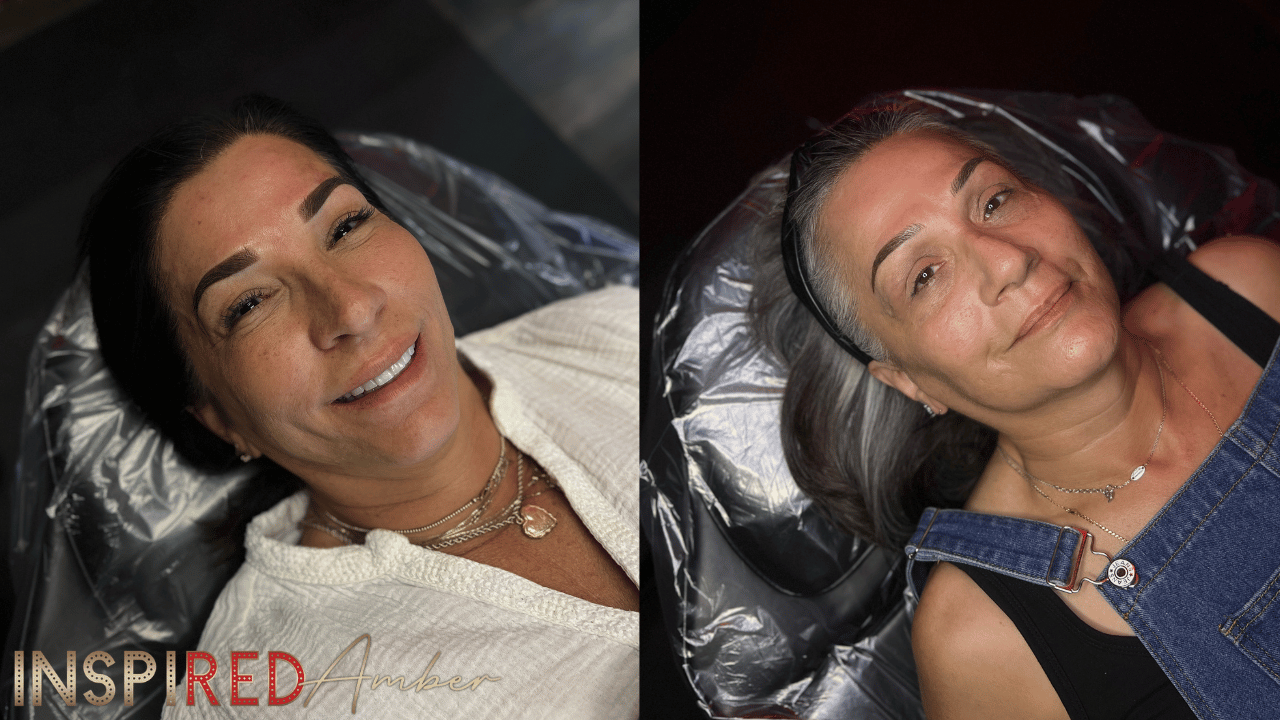
Semi Permanent Makeup vs Permanent Makeup: The Truth
If you've been researching permanent makeup, you've probably noticed something confusing.
One artist calls it permanent makeup.
Another calls it semi-permanent makeup.
Someone else calls it cosmetic tattooing.
Then you see “permanent eyebrows,” “semi-permanent brows,” “permanent eyeliner,” “cosmetic tattoo,” “PMU,” “microblading,” “nanoblading,” and about 47 other names for what can sometimes be a very similar service.
So... what the hell is it actually called?
This is one of those debates that has been floating around the permanent makeup industry for years. And honestly, I think part of the problem is that we've made the terminology way more complicated than it needs to be.
As a permanent makeup artist who has been in this industry for more than 13 years, I've watched the terminology change, techniques change, pigments change, and the way we talk about these procedures change.
And while I understand why artists want to use the term semi-permanent makeup, I also think it's incredibly important that we don't use terminology that gives clients the wrong idea about what we're actually doing.
Because here's the deal:
You're tattooing pigment into the skin.
It may fade. It may soften. It may change. It may eventually become extremely light.
But that does not automatically mean it's temporary.
So, Is Permanent Makeup Actually Permanent?
This is where things get interesting.
When most people hear the word “permanent,” they think:
“This is going to look exactly like this forever.”
That's not what permanent makeup means.
Permanent makeup is considered permanent because pigment is implanted into the skin through a tattooing process. The pigment can fade substantially over time, but that doesn't necessarily mean every trace of pigment disappears.
Your skin is not a piece of paper.
Once pigment is implanted, your body is going to interact with it.
How it heals, how it fades, how long it lasts, and what it looks like years later can depend on a lot of factors.
Your skin type, lifestyle, sun exposure, medications, health, pigment used, technique, depth of implantation, color selection, and even how your body metabolizes pigment can all play a role.
So when we say permanent makeup, we're not saying the brows, eyeliner, or lips will look exactly the same for the rest of your life.
We're talking about the fact that pigment has been implanted into the skin.
And that's a pretty important distinction.
Then Why Do Some Artists Call It Semi-Permanent Makeup?
This is where the industry debate started getting interesting.
The term semi-permanent makeup became popular partly because artists wanted clients to understand that permanent makeup does not necessarily stay looking the same forever.
And I completely understand that.
If you're a client and someone tells you, “I'm going to permanently tattoo your eyebrows,” you might immediately picture the exact same eyebrows sitting on your face at 75 years old.
That's obviously not how good permanent makeup should work.
Your face changes.
Your skin changes.
Your preferences change.
Your hair changes.
Fashion changes.
And your permanent makeup should be designed with the understanding that all of those things are going to happen.
So “semi-permanent” was, in some ways, an attempt to communicate longevity without promising forever.
The problem?
The word “semi” can also make people think the procedure is temporary.
And that's where I think we have to be really careful.
Semi-Permanent Doesn't Mean Temporary
This is probably the biggest thing I want both artists and clients to understand.
Semi-permanent makeup does not mean the pigment magically disappears.
If someone tells you your permanent makeup will completely disappear in one or two years because it's “semi-permanent,” I'd be asking some questions.
Because there is a massive difference between:
“It will fade significantly over time.”
and
“It will be completely gone.”
Those are not the same thing.
I've worked on plenty of clients who had permanent makeup done years ago.
Some had brows that were 10 years old.
Some had procedures that were 15 or even 20 years old.
And yes, sometimes the pigment is incredibly faded.
But faded does not always mean gone.
There can still be residual pigment sitting in the skin.
That's why artists need to be extremely careful about promising clients that their permanent makeup will simply disappear.
We don't control the human body.
Why Terminology Matters for Permanent Makeup Artists
If you're an artist, this isn't just about semantics.
The words you use to describe your services matter.
Your clients are making decisions based on those words.
If you advertise your service as semi-permanent eyebrows, a client may assume they're getting something temporary.
If you call it permanent eyebrows, another client might assume they'll never need to think about their brows again.
Neither assumption is necessarily accurate.
This is why I think our responsibility as artists is to explain what we're actually doing instead of relying entirely on a label.
You can call it permanent makeup.
You can call it semi-permanent makeup.
You can call it cosmetic tattooing.
But then explain what that means.
Don't Let Marketing Terminology Replace Education
This is where I think the industry gets itself into trouble.
Sometimes terminology becomes a marketing tool instead of an educational tool.
“Natural.”
“Temporary.”
“Permanent.”
“Tattoo-free.”
“Non-invasive.”
“Zero maintenance.”
There are a lot of words being used to make permanent makeup sound more appealing.
But we're still talking about implanting pigment into someone's skin.
Let's call it what it is.
It's a tattoo.
A cosmetic tattoo, yes.
A very specialized tattoo, absolutely.
But it's still a procedure that deserves serious consideration.
And clients deserve to understand that before they book.
Permanent Makeup vs. Semi-Permanent Makeup: What's Actually Different?
Here's something that surprises people:
In many cases, the terminology doesn't tell you what technique was used.
An artist calling their service “semi-permanent brows” doesn't automatically mean they're using a particular machine, pigment, or technique.
Likewise, an artist calling something “permanent eyebrows” doesn't tell you exactly how deep the pigment is being implanted.
The technique, pigment, equipment, artist's skill, and individual client's skin all matter.
That's why I don't want artists getting caught up in the argument of:
“I'm right because I call it permanent.”
or
“I'm right because I call it semi-permanent.”
That's missing the bigger picture.
The client needs to know what you're doing, how you're doing it, what they're putting into their skin, how it is expected to age, and what their options are down the road.
That's the information that actually matters.
Clients: Here's What You Should Be Asking Your Artist
If you're considering permanent makeup, don't get hung up on whether an artist calls it permanent or semi-permanent.
Ask better questions.
Ask How Long Their Work Typically Lasts
Don't just ask, “How long does it last?”
Ask:
“What does your work typically look like after two, three, five, or more years?”
Those are very different questions.
You want to understand how the artist's work ages — not just how long they claim it lasts.
Ask What Pigments They Use
You have every right to know what is being implanted into your skin.
Ask what pigment line they use and how that pigment is expected to age.
You don't need to become a pigment chemist before your appointment.
But you should feel comfortable asking questions.
And if an artist gets weirdly defensive because you're asking what they're putting into your face?
That's information, too.
Ask What Happens When You Don't Want It Anymore
This is one of my favorite questions.
“What happens if I don't want these brows anymore?”
Not because you should expect to hate them.
But because you're thinking long-term.
What happens if your style changes?
What happens if your face changes?
What happens if you move?
What happens if you don't like the shape five years from now?
What happens if the color changes?
A good artist should be thinking about the future — not just how good the brows look when you leave the appointment.
Take a look at the permanent makeup services we offer in Las Vegas.
The Goal Isn't to Make It Last Forever
This is something I wish more clients understood.
Long-lasting does not automatically mean better.
I don't want my clients walking around with the exact same brows for 30 years.
Your face is going to change.
Your skin is going to change.
Your preferences are going to change.
I want permanent makeup to age gracefully.
That's a completely different goal.
There's a huge difference between wanting permanent makeup that lasts and wanting pigment packed into the skin so aggressively that it refuses to leave.
More pigment isn't automatically better.
Darker isn't automatically better.
Deeper isn't automatically better.
And “lasts forever” definitely isn't automatically better.
This Is Why Proper Technique Matters
The terminology debate is actually connected to a much bigger conversation happening in the PMU industry.
There are a lot of new artists entering permanent makeup.
That's not necessarily a bad thing.
I love seeing people get excited about this industry.
But permanent makeup isn't something you should learn in a weekend and then immediately start tattooing everybody you know.
Your education matters.
Your understanding of skin matters.
Your understanding of color theory matters.
Your pigment knowledge matters.
Your technique matters.
And your understanding of how permanent makeup ages matters.
Because the client doesn't just live with the result you create today.
They live with how that result ages.
That's the part artists need to think about.
So Which Term Should We Use?
Personally, I don't think we need to wage war over the words.
If you call your business permanent makeup, that's accurate.
If you call it semi-permanent makeup, I understand what you're trying to communicate.
But whichever term you use, explain it.
Don't assume your client understands industry terminology.
And don't use “semi-permanent” to make a tattoo sound temporary.
Likewise, don't use “permanent” in a way that makes someone think their brows are going to look exactly the same forever.
Be honest.
Be clear.
Educate your clients.
That's what makes you a professional.
The Bottom Line for Clients
If you're researching permanent makeup, here's what I want you to take away from this:
Don't book somebody simply because their website says “semi-permanent.”
And don't automatically assume “permanent makeup” means you'll have the same brows forever.
Look at the artist's healed work.
Ask how their work ages.
Ask what pigments they use.
Ask what technique they're using.
Ask what happens if you don't like the result.
Ask how often they recommend touch-ups.
And most importantly, make sure you actually understand what you're agreeing to before someone puts pigment into your skin.
You don't need to know everything.
That's what your artist is there for.
But you should be educated enough to make an informed decision.
If you're ready to talk through your options, you can book a permanent makeup consultation and get your questions answered before making a decision.
And For My Fellow PMU Artists...
Let's stop making this harder than it needs to be.
The public is already confused.
They hear permanent makeup, semi-permanent makeup, microblading, nanoblading, nano brows, powder brows, ombré brows, machine brows, cosmetic tattooing...
Then they try to figure out what the hell they're actually buying.
We can do better.
Use terminology that makes sense.
Then explain what you're actually doing.
Because at the end of the day, I don't care if you call it permanent makeup or semi-permanent makeup nearly as much as I care that your client understands:
This is pigment being implanted into their skin.
It can fade.
It can change.
It can last for years.
It may leave residual pigment.
And if something goes wrong, removal isn't always simple.
That's why the education before the tattoo matters just as much as the technique during the tattoo.
The Big Debate Isn't Really About the Name
I think that's the biggest takeaway.
The permanent makeup industry can argue all day about whether we should call it permanent or semi-permanent.
But I'd rather spend that energy educating clients.
Because the real question isn't:
“What should we call it?”
The real question is:
“Does the client understand what they're getting?”
That's what matters.
Whether you're a client considering your first permanent makeup appointment or an artist trying to figure out how to market your services, don't get so caught up in the terminology that you forget what's underneath it.
Skin.
Pigment.
Technique.
Time.
And a real human being who has to live with the result.
That's the part we should all be taking seriously.
SIGN UP TO WATCH OUR FREE GREY BROW COLOR CORRECTION VIDEO & GET 50% OFF YOUR FIRST COURSE PURCHASE!
Become a VIP member, get updates on new events, monthly newsletters, PMU tips and tricks and exclusive offers!
We hate SPAM. We will never sell your information, for any reason. By filling out this form you are agreeing to subscribing to our email list and SMS marketing.


