
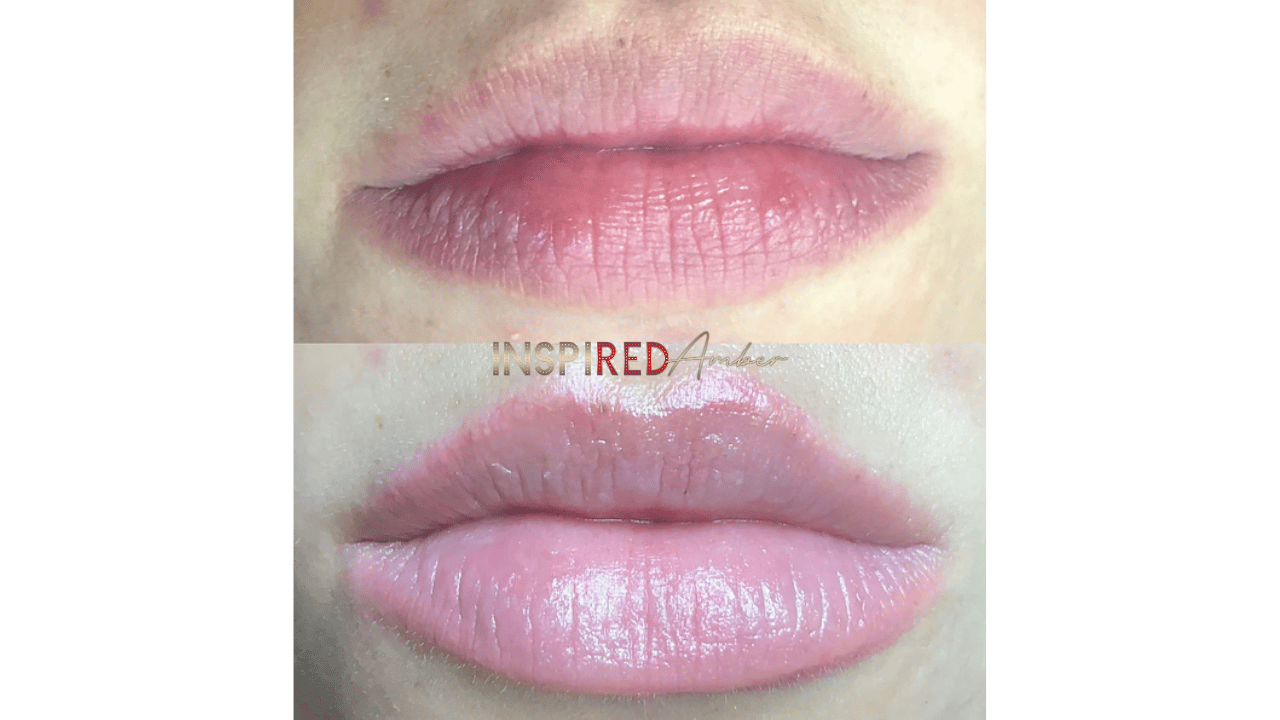
Dark Lip Neutralization Permanent Makeup: Do You Need It?
If you've been looking into lip blush or permanent lip makeup and you've been told you need dark lip neutralization, you might be wondering what the hell that actually means.
Are your lips too dark for lip blush?
Can permanent makeup make dark lips pink?
Why can't an artist just use the color you want?
And if you're a permanent makeup artist, you might be wondering how to approach a client with darker or cool-toned lips without making the situation worse.
Here's the deal:
Dark lip neutralization is not just picking a lighter pigment and tattooing it into the lips.
There is color theory, skin assessment, pigment selection, technique, healing, and—probably most importantly—knowing when you're actually looking at a client who is a good candidate.
And this is one of those areas of permanent makeup where being confident doesn't mean you should just go for it.
You need to know what you're doing.
What Is Dark Lip Neutralization?
Dark lip neutralization is a permanent makeup technique used to correct or neutralize unwanted dark, cool, purple, blue, brown, or gray tones in the lips before—or sometimes as part of—achieving a more balanced lip color.
The goal isn't necessarily to make the lips immediately look like a bright pink lipstick.
The goal is to neutralize the existing undertones so we can eventually create a more desirable lip color.
Think of it like correcting a color problem before trying to decorate over it.
You wouldn't paint a bright yellow wall with one coat of pale blue and expect the result to magically look perfect.
The color underneath matters.
Same thing with lips.
Why Are Some Lips Darker Than Others?
First, let's clear something up.
Having naturally darker lips doesn't mean anything is wrong with you.
Lip pigmentation varies from person to person.
Some people naturally have deeper pigmentation around the edges of their lips. Others have more purple, brown, blue, or gray undertones. Some people have uneven pigmentation, while others have lips that have become darker over time.
There are also many factors that can influence lip color and how it appears, including genetics, sun exposure, hormonal changes, lifestyle factors, irritation, and individual skin characteristics.
And then there are clients who have had previous permanent makeup.
That's where things can get particularly interesting.
If you've had lip tattooing before, you may have residual pigment that has healed into a darker or cooler tone.
So before an artist ever picks up a machine, they need to figure out what they're actually looking at.
Dark Lips and Dark Lip Neutralization Are Not the Same Thing
This is an important distinction.
A client can have naturally darker lips without automatically needing a neutralization procedure.
Some clients are excellent candidates for traditional lip blush.
Others may need neutralization first.
And some clients may not be good candidates for the procedure they're asking for at all.
This is why a proper consultation matters.
If you walk into a studio saying, “I want bright pink lips,” the artist shouldn't automatically say, “Sure!”
They should be looking at your natural lip color, undertones, skin, previous PMU, desired outcome, and overall condition of your lips.
Sometimes the right answer is:
“Yes, we can work toward that.”
Sometimes it's:
“We need to neutralize first.”
And sometimes it's:
“I don't think permanent makeup is the right option for you right now.”
A good artist should be comfortable saying all three.
How Does Dark Lip Neutralization Work?
This is where color theory comes into play.
A permanent makeup artist is essentially working with the colors already present in the lips and selecting pigments that help visually balance those unwanted undertones.
For example, a lip that appears very cool, purple, blue, or gray may need a different approach than a lip with a strong brown or orange undertone.
There isn't one universal dark lip neutralization pigment that works for everybody.
That's why grabbing a pigment because somebody on Instagram said, “This is the neutralizer!” isn't education.
It's guessing.
And you don't want somebody guessing on your lips.
Neutralization Isn't the Same as Covering
This is probably one of the biggest misconceptions I see.
Neutralization isn't about covering the dark color with a bunch of lighter pigment.
You're trying to balance the existing color.
That's a completely different approach.
If an artist simply tries to overpower a darker lip with a light or overly warm pigment, the healed result can be unpredictable.
It can become muddy.
It can heal too warm.
It can remain cool.
It can look uneven.
Or you can end up with a client who is now asking for color correction on top of the original color correction.
Nobody wants that.
Dark Lip Neutralization May Take More Than One Session
Here's where I need clients to be patient.
You may not walk out of your first appointment with the exact lip color you've been imagining.
And that's okay.
Neutralization can be a process.
Depending on the client's starting point, the degree of pigmentation, the undertones, previous permanent makeup, skin response, and desired result, more than one session may be necessary.
The first session may be focused on getting the existing undertones moving in the right direction.
Then you allow the lips to heal.
Once the artist can see how the pigment actually healed, they can determine the next step.
This is why I get nervous when artists promise a client their dream lip color in one appointment.
Permanent makeup doesn't work like that.
You're working with living skin.
Artists: Please Stop Treating Dark Lip Neutralization Like a Regular Lip Blush
If you're a PMU artist reading this, listen up.
Dark lip neutralization is something you need to be educated in.
It's not a technique you should learn from watching three TikToks and buying a neutralizer.
You need to understand color theory.
You need to understand undertones.
You need to understand how your pigments behave.
You need to understand skin.
You need to understand your machine and needle configuration.
You need to understand saturation and implantation.
And you need to understand how your chosen pigment is likely to heal—not just what it looks like going into the skin.
Most importantly, you need to understand that different clients can require completely different approaches.
You Have to Learn to Read the Lip
A dark lip isn't simply “a dark lip.”
Look at it.
Really look at it.
Is it purple?
Blue?
Gray?
Brown?
Cool?
Warm?
Uneven?
Is the darkness concentrated around the perimeter?
Is there previous lip pigment?
Is the entire lip pigmented?
Are there areas that are naturally darker?
Is the tissue healthy?
Has the client had previous procedures?
These questions matter.
You can't create a good neutralization plan if you haven't correctly identified what you're trying to neutralize.
Your pigment line matters, too
Artists should know their pigment line inside and out.
Don't assume that because a pigment looks orange in the bottle, it's automatically going to behave the same way in every client's skin.
You need to know how your pigments heal.
You need to know how they interact with existing tones.
You need to understand dilution and saturation.
And you need enough experience to recognize when something isn't going according to plan.
That's what separates knowing a technique from actually understanding it.
Can Dark Lip Neutralization Make Your Lips Pink?
Potentially—but that's not how I would sell it.
If you're a client hoping to transform very dark or cool-toned lips into a soft pink, you need to understand that the final result depends on your starting point.
There is no one-size-fits-all guarantee.
Your natural pigmentation matters.
Your skin matters.
Your previous PMU matters.
Your healing matters.
And your artist's technique matters.
Sometimes the best outcome is a beautiful, balanced lip tone that is softer and more even—not necessarily the exact pink you saw on somebody else's Instagram.
And honestly?
That's okay.
Your lips aren't supposed to heal exactly like somebody else's.
Who Is a Good Candidate for Dark Lip Neutralization?
You may be a candidate if you have:
-
Naturally darker or uneven lip pigmentation
-
Cool, purple, blue, gray, or brown undertones
-
Uneven lip color
-
Previous lip PMU that has healed too cool or dark
-
Lip pigmentation that makes achieving your desired lip color difficult
But here's the important part:
You need an individual assessment.
This article can help you understand the concept, but it can't tell you whether you're personally a candidate.
That's what a consultation is for.
When Dark Lip Neutralization May Not Be the Right Choice
Sometimes the best PMU service is no PMU service.
If the lips aren't healthy enough for the procedure, there are contraindications, there's active irritation or infection, or there's another reason the procedure isn't appropriate, the artist needs to pump the brakes.
Previous permanent makeup can also complicate things.
If your lips already contain a lot of old pigment, you may need correction or removal before trying to neutralize them.
And if an artist looks at your lips and says, “Oh yeah, we'll just cover that,” without discussing any of these factors?
I'd ask more questions.
What Clients Should Ask Before Booking Dark Lip Neutralization
You don't need to become a permanent makeup artist before getting your lips done.
But you should know enough to protect yourself.
Ask your artist:
“Have you been specifically trained in dark lip neutralization?”
Not just lip blush.
Not just permanent makeup.
Specifically dark lip neutralization.
Then ask:
“Can I see healed results on lips similar to mine?”
That's a big one.
Fresh results are easy to photograph.
Healed results tell you much more.
You can also ask what the artist believes your lips need and why.
A knowledgeable artist should be able to explain their plan without making you feel stupid for asking.
Don't Choose an Artist Based on the Fresh Result Alone
This goes for all permanent makeup, but especially color correction and neutralization.
Instagram is full of fresh lips.
Fresh lips can look incredible.
But you aren't walking around with freshly tattooed lips forever.
You are living with the healed result.
So when you're researching dark lip neutralization near me, dark lip neutralization before and after, or permanent makeup for dark lips, don't just scroll through the prettiest photos.
Look for healed work.
Look for consistency.
Look at lips that started with similar pigmentation to yours.
And pay attention to what the artist is actually educating you about.
What Happens After Dark Lip Neutralization?
Healing is part of the process.
Your lips may look much more intense immediately after the procedure. They can swell, become temporarily darker, and go through some funky color stages while they heal.
That's not necessarily what your final result will look like.
This is where clients sometimes panic.
They look at their lips a few days later and think, “What the hell did I do?”
Don't judge your permanent makeup while it's healing.
Follow your artist's aftercare instructions and let your lips go through the process.
And don't start picking, peeling, rubbing, or putting random products on them because you're freaking out.
If something seems abnormal or you're concerned about your healing, contact your artist and, when appropriate, seek medical advice.
Dark Lip Neutralization Is About Strategy, Not Guesswork
Whether you're an artist or a client, that's really the biggest takeaway.
For clients, dark lip neutralization isn't something you should book just because you saw the phrase online.
You need to know whether it's actually appropriate for your lips.
For artists, this isn't a procedure to add to your service menu because it's trending.
You need the education to understand why you're neutralizing, what you're neutralizing, which pigments you're using, how you're working with the skin, and what your long-term plan is.
Because the goal isn't just to make the lips look good when your client walks out the door.
The goal is to create a result that heals well and gives you—and your client—options moving forward.
And that's the part of permanent makeup I think gets overlooked way too often.
We're not just tattooing a color. We're making decisions that live in someone's skin.
Take that shit seriously.
Want to Learn More About Permanent Lip Makeup?
If you're a client considering dark lip neutralization or lip blush, start with a consultation rather than trying to decide which procedure you need on your own. Your artist should evaluate your natural lip pigmentation, undertones, previous PMU, and desired result before recommending a treatment.
Ready to find out if dark lip neutralization is right for you? Book a consultation.
SIGN UP TO WATCH OUR FREE GREY BROW COLOR CORRECTION VIDEO & GET 50% OFF YOUR FIRST COURSE PURCHASE!
Become a VIP member, get updates on new events, monthly newsletters, PMU tips and tricks and exclusive offers!
We hate SPAM. We will never sell your information, for any reason. By filling out this form you are agreeing to subscribing to our email list and SMS marketing.


