
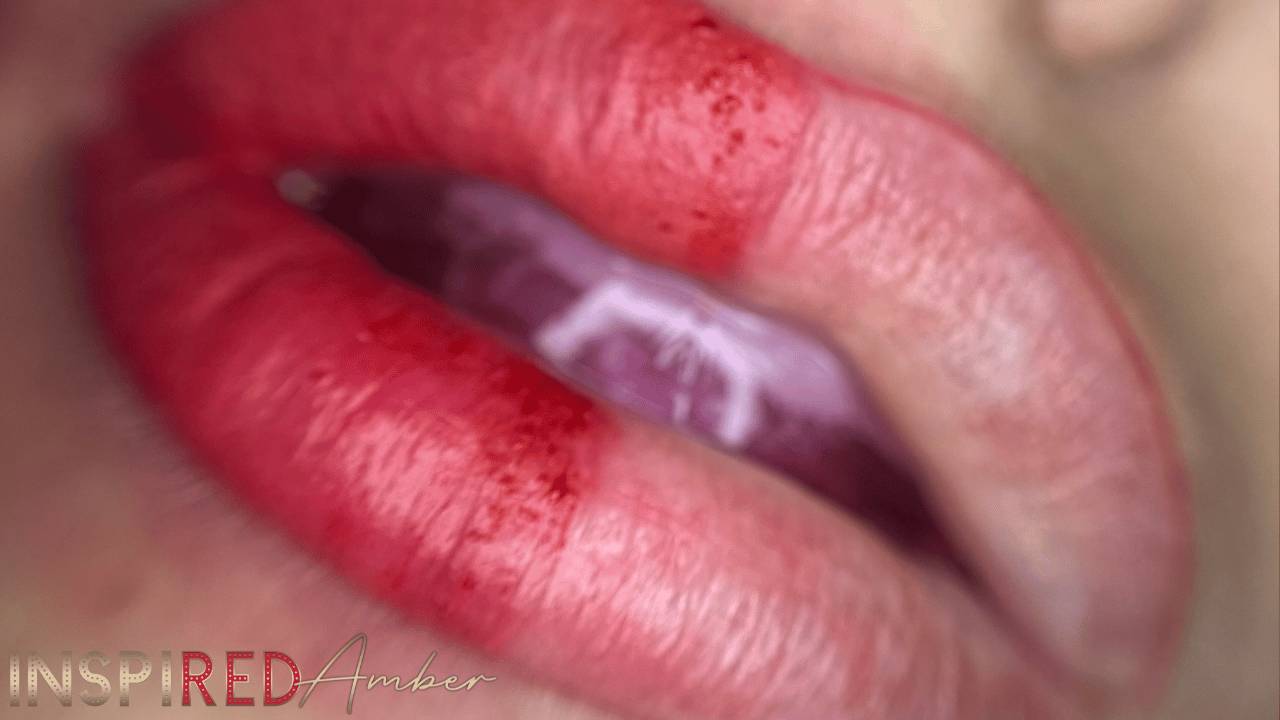
Can ChatGPT Help You Choose the Right Lip Color?
If you’ve ever wondered whether technology—specifically AI like ChatGPT—can help choose the right permanent makeup lip color, this podcast episode gets real about where tech helps, where it absolutely doesn’t, and why experience still matters more than anything.
In this episode of Inspired, I sat down with Jessica, Maddie, Tania, and myself to talk shop. And while the title brings people in with lip color, the real conversation goes deeper—needles, pigment behavior, technique choices, client expectations, and the kind of real-world stuff you only learn after being elbow-deep in this industry for years.
This wasn’t a polished, scripted episode. This was a raw, honest breakdown of what actually happens behind the scenes of permanent makeup—especially lip blush.
If you’re a client thinking about lip blush, or an artist trying to refine your work, this episode (and this breakdown) is for you.
What This Podcast Episode Is Really About
Let’s clear something up first:
ChatGPT can help with education, comparison, and understanding options—but it cannot replace an experienced PMU artist’s eye, hand, or judgment.
And honestly? That’s kind of the point of this episode.
We use the question “Can ChatGPT help you choose the right lip color?” as a jumping-off point to talk about:
-
Why tools and trends don’t replace fundamentals
-
How needle choice affects healed results more than people realize
-
Why “what you post is what you attract” matters
-
And how artists accidentally sabotage good work with the wrong setup
This episode is less about tech choosing pigment and more about why artists need to understand their tools before trusting anything else.
Needles Matter More Than You Think (Yes, Even for Lip Color)
One of the biggest conversations in this episode centered around needle configurations, especially when it comes to lip blush.
I shared a real situation:
I had been using an 18 round shader for lips, and suddenly—back-to-back clients—everything felt off. Saturation wasn’t right. Trauma felt higher. The work just wasn’t landing the way it normally does.
That’s not coincidence. That’s feedback.
Real-Life Example: When the Work Starts Fighting You
I had three-quarters of a lip done when I finally stopped and said, “Something is wrong.” I switched needles mid-procedure—not ideal—and immediately saw improvement.
That’s not about pigment.
That’s not about numbing.
That’s not about the client.
That’s about tool choice.
For artists reading this:
If your results suddenly start sucking, check your needle before blaming yourself.
Why Smaller Needles Often Win for Lip Blush
We talked a lot about 3RL liners, 5RS, and smaller groupings—and why many of us prefer them over large shaders for lips.
Here’s the reality:
-
Smaller needles = more control
-
More control = less trauma
-
Less trauma = better healing
Most clients do not want a heavy lipstick look. They want something soft, natural, and forgiving as they age.
And when you’re working close to the vermillion border? Precision matters.
Shaders can look like they’re hitting the edge—but often only part of the needle is actually landing. That’s how artists accidentally score outside the lip line.
This Is Where Experience Beats AI
ChatGPT can explain needle types.
It cannot feel resistance in skin.
It cannot see pigment spread in real time.
It cannot tell you when to stop.
That comes from reps. From mistakes. From paying attention.
The Fear of Going Outside the Lip Line (And How Artists Get Past It)
Every artist remembers the fear of that lip border.
Shaders feel scarier because:
-
They’re round
-
They don’t give you a crisp stopping point
-
Pigment spreads before you wipe
In the episode, we talked about how confidence comes from understanding pigment bloom, not avoiding the area entirely.
If you’re scared every time you approach the border, your work will reflect that.
Clients don’t want shaky confidence.
They want quiet control.
Why Most Clients Don’t Want Heavy Lips Anyway
This episode also touched on client trends—and this matters for artists choosing pigments, needles, and even marketing.
Most clients today want:
-
A “nothing but better” look
-
Makeup that fades naturally over time
-
Flexibility as their face changes
Heavy, fully saturated lipstick looks don’t age well for most people.
And here’s the key takeaway:
What you post is what you attract.
If you post bold, heavy lips, you’ll attract clients who want that.
If you post soft, airy work, you’ll attract clients who want subtlety.
Neither is wrong—but you need to be intentional.
Skin Type Changes Everything (And AI Can’t Read Skin)
Another important moment in the episode: skin type.
You cannot treat:
-
Oily skin
-
Mature skin
-
Thin lip tissue
the same way.
Putting a tiny needle on oily skin and expecting retention is a setup for disappointment.
This is where AI falls short.
ChatGPT can help educate clients on options, but it cannot:
-
Assess oil production
-
Predict retention
-
Adjust technique mid-procedure
That’s the artist’s job.
A Real Client Story: When “Pretty Instagram Brows” Heal Invisible
We talked about a brow client who left with beautiful, airy brows—Instagram perfect.
And then she healed… into almost nothing.
That wasn’t bad work.
That was skin + technique mismatch.
This applies to lips too.
If you don’t adjust your approach based on skin type, your healed results will humble you fast.
Emergency Removal: Something Clients Should Know Exists
Another important side conversation in this episode was about emergency removal—something many clients don’t even know is an option.
Within the first 48 hours, removal can be done for:
-
Brows
-
Lips
-
Even body tattoos in some cases
Artists: this is something you should be educating clients on—not because you expect mistakes, but because transparency builds trust.
Clients feel safer when they know there’s a backup plan.
So… Can ChatGPT Help Choose Lip Color?
Here’s the honest answer:
ChatGPT can help clients understand concepts.
It cannot replace an experienced PMU artist’s judgment.
AI can:
-
Explain undertones
-
Help compare warm vs cool pigments
-
Educate on lip blush styles
But the final decision?
That belongs to the artist who understands:
-
Skin tone
-
Healing behavior
-
Client lifestyle
-
Long-term fade
And that’s exactly why this podcast episode matters.
What Artists Should Take Away From This Episode
If you’re an artist listening to this episode or reading this recap, here’s what matters:
-
Trust your experience over trends
-
Question your tools when results change
-
Smaller needles aren’t weaker—they’re smarter
-
Technique matters more than pigment hype
-
Confidence comes from understanding, not guessing
And no—ChatGPT will not save bad fundamentals.
Final Thoughts
This episode wasn’t about technology replacing artists.
It was about reminding artists—and clients—that permanent makeup is still a hands-on craft.
Tools evolve.
Pigments change.
AI gets smarter.
But skin still behaves like skin.
And experience still wins.
If you want the full conversation, make sure to listen to the episode—and if you’re an artist looking to level up, keep your eyes open. Download Ms Amber Red's free needle guide that breaks all of this down in a way you can actually use behind the machine.
No fluff.
No guessing.
Just better work.
SIGN UP TO WATCH OUR FREE GREY BROW COLOR CORRECTION VIDEO & GET 50% OFF YOUR FIRST COURSE PURCHASE!
Become a VIP member, get updates on new events, monthly newsletters, PMU tips and tricks and exclusive offers!
We hate SPAM. We will never sell your information, for any reason. By filling out this form you are agreeing to subscribing to our email list and SMS marketing.


