
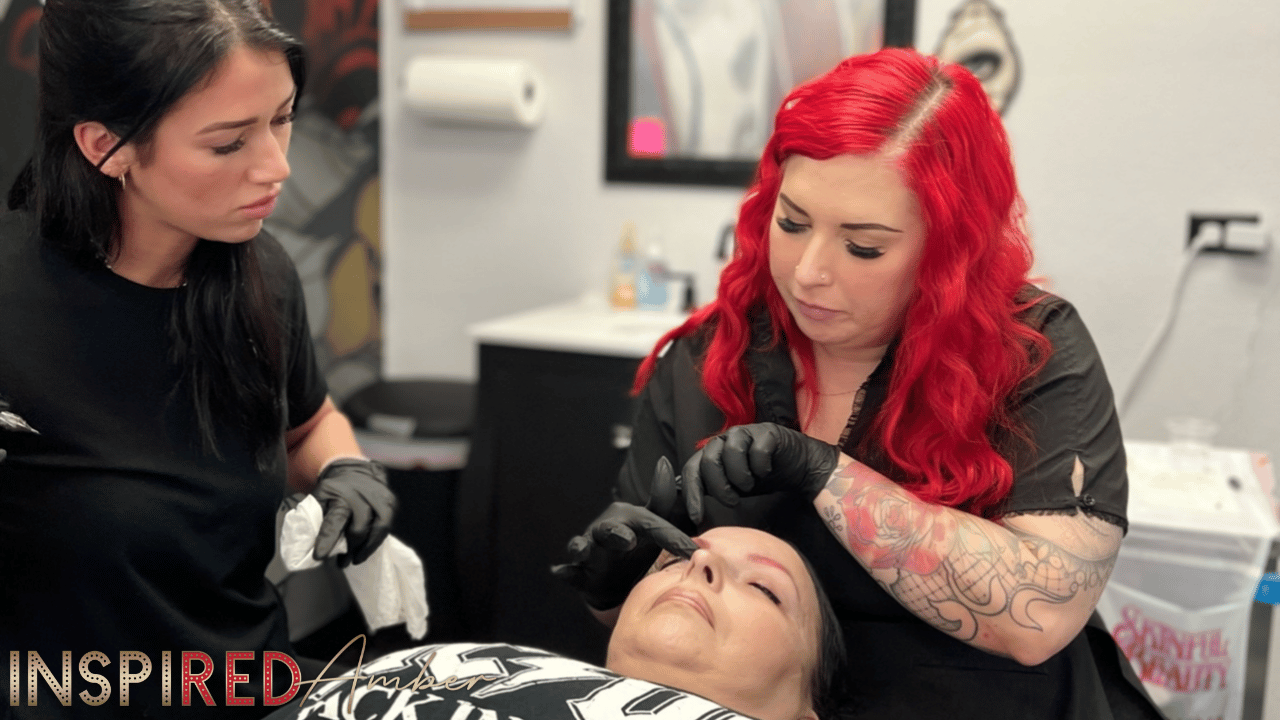
What to Look for in a Legit Permanent Makeup Training
If you’re searching for permanent makeup training, I already know what you’re feeling.
Overwhelmed. Skeptical. A little excited. And probably wondering why every trainer online claims they’re “the best.”
I’ve been in this industry long enough to tell you straight: not all permanent makeup trainings are created equal. Some will change your career. Others will take your money and leave you confused, underprepared, and questioning if you even belong in this industry.
Whether you’re brand new or an experienced artist trying to refine your work, this article is going to help you cut through the noise and figure out what actually makes a legit permanent makeup training worth your time and money.
No fluff. No hype. Just real things you should be looking for.
Why Choosing the Right PMU Training Matters More Than Ever
The permanent makeup industry has exploded. That’s a good thing—but it also means:
-
More trainers
-
More online courses
-
More misinformation
-
More undertrained artists working on faces
Permanent makeup is not a side hustle you can half-learn. We’re tattooing faces. The margin for error is small, and the consequences last years.
A good training doesn’t just teach you how to tattoo—it teaches you how to think like an artist, troubleshoot problems, and protect your clients and your reputation.
Experience Over Popularity (Always)
Look for a Trainer Who Actually Works on Clients
This sounds obvious, but you’d be surprised.
A legit permanent makeup trainer should:
-
Still be working on real clients
-
Show current healed work
-
Have experience correcting mistakes (not just perfect first passes)
If someone’s portfolio only shows fresh work, heavy filters, or the same face over and over—pay attention.
I’ve had artists come to me after spending thousands on a “big-name” course. When I asked how many live models they worked on, the answer was zero. They left knowing theory—but had no confidence touching real skin.
That’s not training. That’s a slideshow.
Hands-On Practice Is Non-Negotiable
Permanent Makeup Is a Physical Skill
You cannot learn PMU from watching videos alone. Period.
A legit permanent makeup training should include:
-
Live model practice
-
Skin stretching techniques
-
Needle depth control
-
Real-time feedback
You need someone watching your hand position, your pressure, your speed. This is muscle memory—not just information.
If a course promises mastery without hands-on work, walk away.
Healed Results Should Be Front and Center
Fresh Work Lies. Healed Work Tells the Truth.
Any trainer can make fresh brows look good. Healing exposes:
-
Poor depth control
-
Bad pigment choices
-
Inconsistent technique
Ask these questions:
-
Do they show healed results?
-
Do they explain why results healed a certain way?
-
Do they show corrections and removals?
If a trainer avoids healed work, that’s a red flag.
Artist-to-artist truth:
I’ve fixed more brows from “certified” artists than I can count. Most of those artists were never taught what happens after day one.
Solid Education in Color Theory (Not Just Pigment Names)
Color Theory Is Where Most Artists Go Wrong
Legit PMU training goes beyond:
-
“Use this color for this skin tone”
-
“This pigment is universal”
That’s lazy teaching.
You should learn:
-
Undertones
-
Fitzpatrick skin types
-
Oxidation
-
Warm vs cool corrections
-
How pigments fade over time
If you don’t understand color theory, you will eventually create gray, red, or ashy results—guaranteed.
I had an artist come in panicked because all her brows were turning gray. She wasn’t bad at tattooing—she was bad at color selection because her training skipped the “why.”
Safety, Sanitation, and Liability Matter
A Real Trainer Teaches You How to Protect Yourself
Permanent makeup training should cover:
-
Bloodborne pathogens
-
Proper sanitation
-
Cross-contamination prevention
-
Contraindications
-
Client consent and documentation
If a course glosses over safety, that’s not edgy—it’s irresponsible.
Your clients trust you. And legally, ignorance won’t protect you if something goes wrong.
Business Education Is a Huge Bonus (But Not a Replacement)
Talent Alone Doesn’t Pay Bills
A legit training may also include:
-
Pricing strategy
-
Client consultations
-
Booking systems
-
Setting boundaries
-
Marketing basics
But here’s the key: business education should support the skill—not replace it.
If a course focuses more on Instagram growth than technique, you’re learning marketing—not permanent makeup.
Mentorship and Continued Support Matter
You Will Have Questions After Training
You should.
Good trainings offer:
-
Post-training support
-
Access to the trainer
-
Community or mentorship
-
Advanced education opportunities
A one-and-done certification with no follow-up is usually a money grab.
Artist reality:
Your first few clients will test everything you think you learned. Having a mentor you can message when something feels off is invaluable.
Beware of Red Flags in PMU Training
Here are some honest red flags I see constantly:
-
“Master PMU in 2 days”
-
No healed work shown
-
No live models
-
Trainer avoids technical questions
-
Overpromises income results
-
Heavy focus on certificates over skill
Certificates don’t make you skilled. Your results do.
For Experienced Artists: What “Leveling Up” Should Look Like
If you’ve already trained but feel stuck, leveling up doesn’t mean starting over—it means refining.
Advanced PMU training should focus on:
-
Improving saturation
-
Cleaner healed results
-
Better symmetry
-
Corrective work
-
Speed without sacrificing quality
I’ve had artists with years of experience realize they were overworking skin because no one ever corrected their pressure. One small adjustment changed everything.
Questions You Should Ask Before Booking Any PMU Training
Before you put down a deposit, ask:
-
How many live models will I work on?
-
Do you show healed results?
-
Is ongoing support included?
-
Are corrections and removals covered?
-
Do you still work on clients?
If they can’t answer confidently—move on.
Final Thoughts: Training Shapes Your Entire Career
The permanent makeup training you choose will influence:
-
Your confidence
-
Your results
-
Your reputation
-
Your income
-
Your longevity in this industry
Cheap training ends up expensive. Rushed training shows in your work. And hype-based training fades fast.
Choose education that respects the craft.
If you want to build a career you’re proud of—not just a certificate—invest in training that actually prepares you to work on real people.
That’s the difference between doing PMU and being a professional.
SIGN UP TO WATCH OUR FREE GREY BROW COLOR CORRECTION VIDEO & GET 50% OFF YOUR FIRST COURSE PURCHASE!
Become a VIP member, get updates on new events, monthly newsletters, PMU tips and tricks and exclusive offers!
We hate SPAM. We will never sell your information, for any reason. By filling out this form you are agreeing to subscribing to our email list and SMS marketing.


