
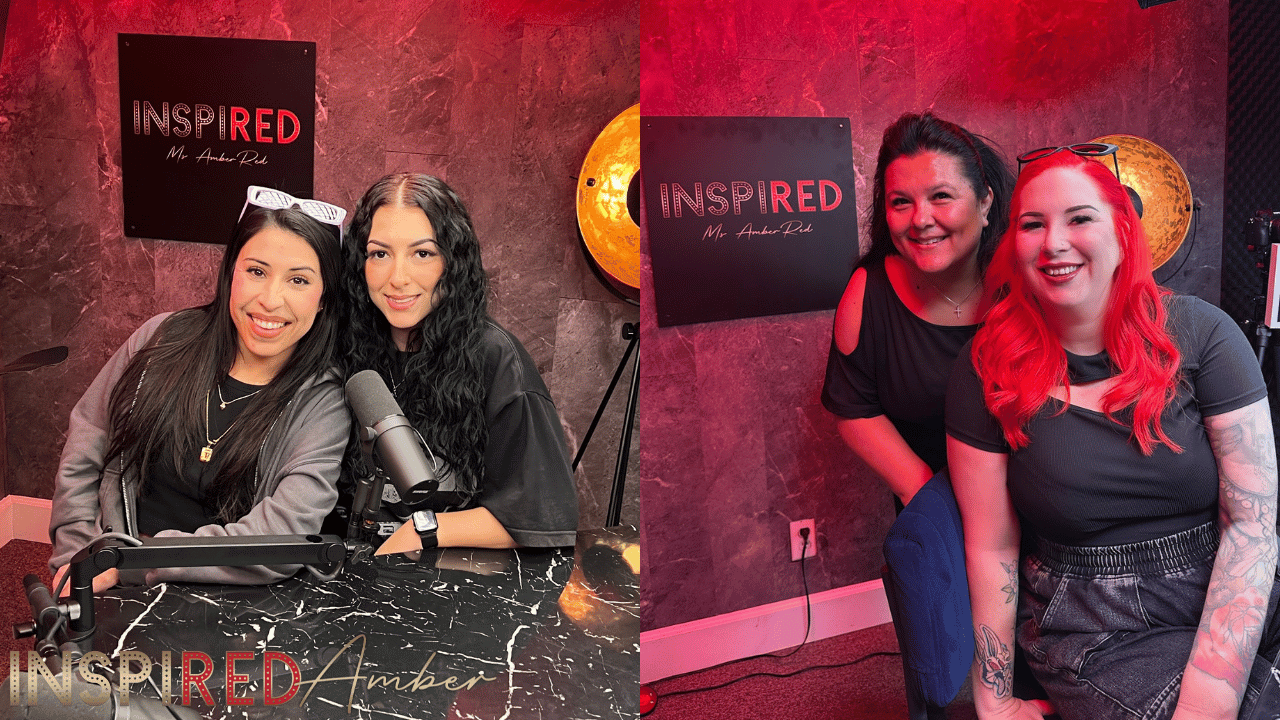
Restoring Confidence with Cosmetic Tattooing
If you’ve listened to our latest podcast episode, Restoring Confidence with Cosmetic Tattooing, then you already know—this one wasn’t about perfect brows or trending techniques. It was about why we do what we do, the moments that stick with you, and the real impact permanent makeup can have on someone’s life.
If you haven’t listened yet, this article will walk you through what we talked about in the episode, why these conversations matter, and how cosmetic tattooing goes far beyond beauty. This is the side of permanent makeup that doesn’t always make it to Instagram—but it’s the part that keeps many of us in this industry long term.
Why We Recorded This Episode
This episode came together the way a lot of real conversations do—unfiltered, a little chaotic, and very honest. It was myself, Tania, Jessica, and Sasha sitting down to talk about restoring confidence through permanent makeup, and once we got going, the stories just kept coming.
We weren’t trying to sound polished. We were trying to sound real.
Because permanent makeup isn’t just about symmetry or pigment choice. It’s about what happens after the appointment—when a client looks in the mirror and feels like themselves again.
Cosmetic Tattooing Is About More Than Beauty
One of the biggest takeaways from the episode is this:
Permanent makeup is not just cosmetic. It’s restorative.
Yes, brows, lips, and eyeliner are often booked for convenience or aesthetics. But many of the most impactful cases happen when someone comes in carrying years of insecurity, trauma, or physical change.
Every person has something they’re self-conscious about. Some of it is visible. Some of it isn’t.
And that’s where cosmetic tattooing becomes powerful.
A Restorative Lip Tattoo Case That Changed Everything
One of the main stories we talked about in the episode was a client of Tania's who had lip cancer.
She had never worn sunscreen, and in her mid-50s, she developed cancer on her lip. Surgeons removed sections of her lip tissue—twice. Medically, they did an incredible job. But cosmetically and emotionally, she still didn’t recognize herself.
Her lips were missing:
-
Color
-
Definition
-
That natural “life” lips usually have
When she came to Tania, she didn’t even fully realize at first that this would become a restorative cosmetic tattoo case. But once she started working, it hit her—this wasn’t about making lips prettier. This was about helping her feel normal again.
How Tania Approached the Procedure
Because of scar tissue, she worked very conservatively:
-
First session focused on outline and shape
-
Second session focused on building color
-
Light pressure
-
Careful observation of how scar tissue absorbed pigment
Scar tissue behaves differently. It can pull color faster in some areas and resist it in others. Even with the same hand speed and pressure, you’ll see variation—and that’s where experience matters.
After the first session, she loved the results—but she was still quiet about it. She didn’t tell people what she had done. She said it felt natural, but she wanted to keep it to herself.
After the second session? Completely different person.
She started telling everyone.
Her dentist.
Her realtor.
People she barely knew.
She openly shared that she’d had lip cancer and that cosmetic tattooing helped restore what she lost.
That’s confidence.
What Confidence Restoration Actually Looks Like
Confidence restoration doesn’t always mean bold results.
Sometimes it looks like:
-
A woman not avoiding mirrors anymore
-
Someone not feeling the need to explain their face
-
A client no longer hiding a scar
In the episode, we talked about how mindset shifts between the first and second session are often dramatic—not because of more pigment, but because the client finally trusts the result.
Working on Scar Tissue: What Artists Should Know
We also went deeper into the technical side for artists listening.
Scar Tissue Is Different Skin
-
Texture can feel leathery
-
Pigment uptake is unpredictable
-
Oxidation can reveal uneven saturation later
That’s why:
-
You don’t rush
-
You don’t overwork
-
You don’t go aggressive on the first pass
I also shared how I use blue gel (secondary numbing) as a safety net—not just for comfort, but to help me visually assess what’s happening in the skin. Some artists love it. Some don’t. There’s no one “right” way—but you need to understand why you’re using it.
Cosmetic Tattooing Beyond the Face: Scars & Stretch Marks
Another big part of the conversation was restorative tattooing for scars and stretch marks.
Jessica shared incredible examples of:
-
Severe stretch marks treated with inkless serum
-
Surgical scars from procedures like brachioplasty
-
Clients who finally felt comfortable in their bodies again
This work isn’t about covering—it’s about stimulating the skin’s own healing response through collagen and elastin production.
And no, it’s not the same as microneedling.
The serum matters.
The depth matters.
The training matters.
This type of cosmetic tattooing requires a deeper understanding of skin behavior and healing—and it’s one of the fastest-growing areas in the industry.
Areola Tattooing & Confidence After Surgery
We also talked about areola tattooing—both medical and cosmetic.
One story that stood out was a client who had no natural areola pigment. Everything was flesh-toned. She felt uncomfortable in her body, even in private.
We added soft, natural color. Nothing extreme.
Her reaction?
Immediate confidence shift.
She surprised her husband when he returned home, and it meant more to her than she expected. These are the moments that remind you permanent makeup isn’t vanity—it’s identity.
When Permanent Makeup Is Not the Answer
We also touched on boundaries.
Not every case is appropriate for tattooing.
For example:
-
Large keloid scars
-
Certain healing conditions
-
Poor candidates due to skin behavior
Saying no is part of ethical practice.
Restoring confidence doesn’t mean promising unrealistic results.
Permanent Makeup and Healing Timing
We also talked about sun exposure and timing, especially for restorative work.
Clients need to:
-
Avoid sun during healing
-
Plan treatments before summer
-
Understand how pigment reacts to tanning
Education doesn’t stop after the procedure—it’s part of the service.
Why This Episode Matters for Artists
If you’re a permanent makeup artist listening to this episode, here’s the truth:
This industry isn’t just about trends anymore.
It’s moving toward:
-
Restorative work
-
Medical-adjacent services
-
Confidence-driven results
-
Ethical, conservative application
Artists who understand this will have longer, more fulfilling careers.
Why This Episode Matters for Clients
If you’re a client listening:
Permanent makeup isn’t about changing your face.
It’s about helping you feel like yourself again.
Whether that’s:
-
Restoring color after surgery
-
Softening a scar
-
Bringing balance back to your features
Confidence doesn’t always come from adding more. Sometimes it comes from restoring what was lost.
Final Thoughts: This Is Why We Do What We Do
This podcast episode reminded me why I fell in love with permanent makeup in the first place.
Not because of trends.
Not because of social media.
But because of moments when someone realizes they don’t have to hide anymore.
Restoring Confidence with Cosmetic Tattooing isn’t just a title—it’s the core of this industry when it’s done right.
If you’re an artist, let this be your reminder to slow down, educate, and treat every case with intention.
If you’re a client, know that the right artist isn’t just tattooing your skin—they’re holding space for your story.
And that’s where the real transformation happens.
SIGN UP TO WATCH OUR FREE GREY BROW COLOR CORRECTION VIDEO & GET 50% OFF YOUR FIRST COURSE PURCHASE!
Become a VIP member, get updates on new events, monthly newsletters, PMU tips and tricks and exclusive offers!
We hate SPAM. We will never sell your information, for any reason. By filling out this form you are agreeing to subscribing to our email list and SMS marketing.


