
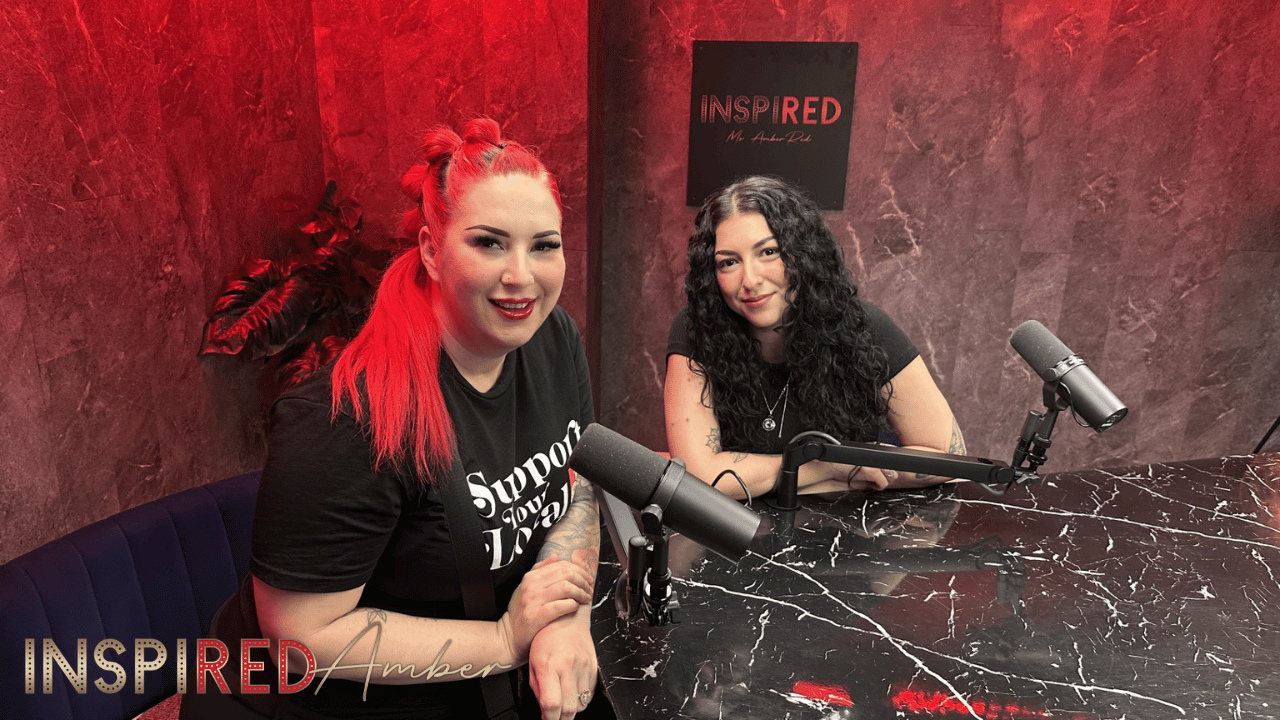
PMU Secrets Clients NEED to Know
Watch the episode here on YouTube!
If you’ve ever sat in a permanent makeup appointment and thought, “I had no idea this is what actually goes into this,”—this episode is basically pulling back the curtain.
In this Inspired Podcast episode, I’m breaking down the PMU secrets clients need to know that most people never hear before they book their brows, lips, or eyeliner.
This isn’t to scare clients. It’s to educate them.
Because better-informed clients = better healed results, fewer corrections, and way less confusion down the line.
Let’s get into what we covered.
Why This Episode Matters in the PMU Industry
Most permanent makeup clients only see:
- The before and after photos
- The appointment itself
- The final healed result
What they don’t see is everything happening behind the scenes:
- Ink formulation decisions
- Skin behavior differences
- Technique choices
- Healing variables
- Long-term pigment changes
And honestly, a lot of “bad PMU experiences” come from missing this education piece.
So this episode is really about transparency in permanent makeup artist education and client awareness.
Listen to more PMU Inspired by Ms Amber Red podcast episodes.
PMU Secret #1: Organic vs Inorganic Pigments Matter More Than Clients Realize
One of the biggest topics we broke down was the difference between organic and inorganic PMU pigments.
This is something most clients have never even heard of—but it impacts everything.
What clients need to understand:
- Pigment choice affects fading patterns
- It affects long-term color shifts
- It affects how easy brows are to correct later
- It affects whether brows stay soft or turn overly saturated
The real industry shift:
There was a time when artists pushed for “forever brows.”
Now?
We’re seeing why that backfires.
Some pigments stay too long in the skin, leading to:
- Stubborn gray brows
- Oversaturation
- Hard correction work later
That’s why many modern artists prefer inorganic pigment lines that allow for controlled fading and future adjustments.
Because permanent makeup should evolve with the face—not fight against it.
PMU Secret #2: Color Shift Is Normal (Not a Mistake)
Here’s something clients panic about all the time:
“My brows are changing color during healing… is something wrong?”
No. That’s normal.
What actually happens:
Even if everything is done correctly:
- Brows can fade warmer (pink/red tones)
- Brows can fade cooler (gray tones)
- Eyeliner softens and shifts undertone
- Lip blush evolves as the skin heals
The key takeaway:
Color shift does NOT automatically mean bad work.
It means:
- The skin is healing
- The pigment is settling
- The body is doing its job
And as artists, we use those undertones later to adjust and perfect results if needed.
PMU Secret #3: Hair Strokes Don’t Stay Hair Strokes Forever
This is a big one most clients are shocked by.
Whether it’s:
- Microblading
- Nano strokes
- Machine hair strokes
The truth:
Over time, all hair strokes will soften.
They can:
- Blur slightly
- Expand in the skin
- Blend together
Eventually, they can shift into a soft powder brow effect.
What clients don’t realize:
If someone only ever wants crisp hair strokes forever…
Permanent makeup may not be the right choice.
Because skin is not paper. It is living tissue.
And living tissue changes.
PMU Secret #4: Clients Should Ask Questions (Even If It’s Uncomfortable)
We talked about this in the episode because it’s a gray area in the industry.
Some clients feel like asking questions makes them “difficult.”
Some artists feel like questions are “too much.”
But here’s the truth:
Clients have the right to ask:
- What pigments are being used
- What technique is being done
- What healing should look like
- What risks exist
And artists should expect that.
Even if it feels uncomfortable at first, educated clients:
- Heal better
- Panic less
- Trust the process more
- Get better long-term results
This is part of leveling up the PMU industry as a whole.
View our permanent makeup services.
PMU Secret #5: Not Every Result Is 100% Predictable
This is one of the most honest parts of the episode.
Even when:
- The artist is skilled
- The technique is correct
- The pigment is high quality
Things can still shift based on:
- Skin type
- Hormones
- Medication
- Autoimmune conditions
- Lifestyle changes
- Healing habits
Translation:
Permanent makeup is controlled artistry—not guaranteed perfection.
And that’s why consultations matter so much.
PMU Secret #6: Hair Strokes Always Become Powder Over Time
We went deep into this because it’s one of the most misunderstood topics in permanent makeup education.
Reality:
Even nano strokes will eventually:
- Soften
- Spread slightly
- Blend into surrounding pigment
Why?
Because the skin naturally heals and expands pigment over time.
So if someone is booking PMU expecting:
“I want hair strokes forever with zero change”
That expectation needs to be adjusted.
PMU Secret #7: Eyeliner Never Stays Jet Black Forever
This is another huge misconception.
Clients often expect:
“I want black eyeliner that stays black forever”
But in reality:
Eyeliner fades through stages:
- Black → soft black
- Soft black → charcoal
- Charcoal → gray tones
Why this happens:
- Skin undertones
- Natural fading process
- Pigment particle breakdown over time
So instead of staying harsh black, eyeliner is designed to soften naturally over time for a more realistic healed look.
PMU Secret #8: Technique Choice Changes Everything
We also talked about something most clients never consider:
Needle size + technique matters a lot.
For example:
- Single needle = softer, lighter, faster fading
- Shader needles = more pigment, longer retention
What that means for clients:
- One service may last 6 months
- Another may last 2–5 years
- Pricing reflects longevity and technique intensity
So when clients see price differences between artists, it’s not random.
It’s tied directly to:
- Depth of pigment
- Amount of pigment implanted
- Longevity expectations
See upcoming permanent makeup training.
PMU Secret #9: Touch-Ups Are Often Overused in the Industry
This was a big discussion point in the episode.
A lot of artists:
- Schedule touch-ups too early
- Push unnecessary yearly refreshes
- Or overwork already healed skin
Best practice:
- Initial session
- One true touch-up
- Then wait and observe healing over time
Because too many touch-ups can actually lead to:
- Over-saturation
- Scar tissue buildup
- Color distortion
Sometimes less really is more.
PMU Secret #10: Healing Timing Is Everything
One of the most important takeaways:
Clients should NOT rush touch-ups.
Ideal timing:
- Minimum: 8–10 weeks
- Sometimes longer depending on skin
- Up to 6 months is often ideal for full evaluation
Why this matters:
If you rush healing:
- You can’t see true healed results
- You may overwork the skin
- You risk unnecessary trauma
Healing tells the real story—not the fresh appointment.
Final Thoughts: Transparency Builds Better PMU Results
This episode of PMU Secrets Clients NEED to Know isn’t about exposing the industry.
It’s about:
- Raising standards
- Setting realistic expectations
- Improving healed results
- Creating better communication between artists and clients
Because permanent makeup isn’t just a service—it’s a collaboration.
When clients understand the process, everything gets better:
- Better retention
- Better healing
- Better long-term satisfaction
And fewer surprises.
SIGN UP TO WATCH OUR FREE GREY BROW COLOR CORRECTION VIDEO & GET 50% OFF YOUR FIRST COURSE PURCHASE!
Become a VIP member, get updates on new events, monthly newsletters, PMU tips and tricks and exclusive offers!
We hate SPAM. We will never sell your information, for any reason. By filling out this form you are agreeing to subscribing to our email list and SMS marketing.


