
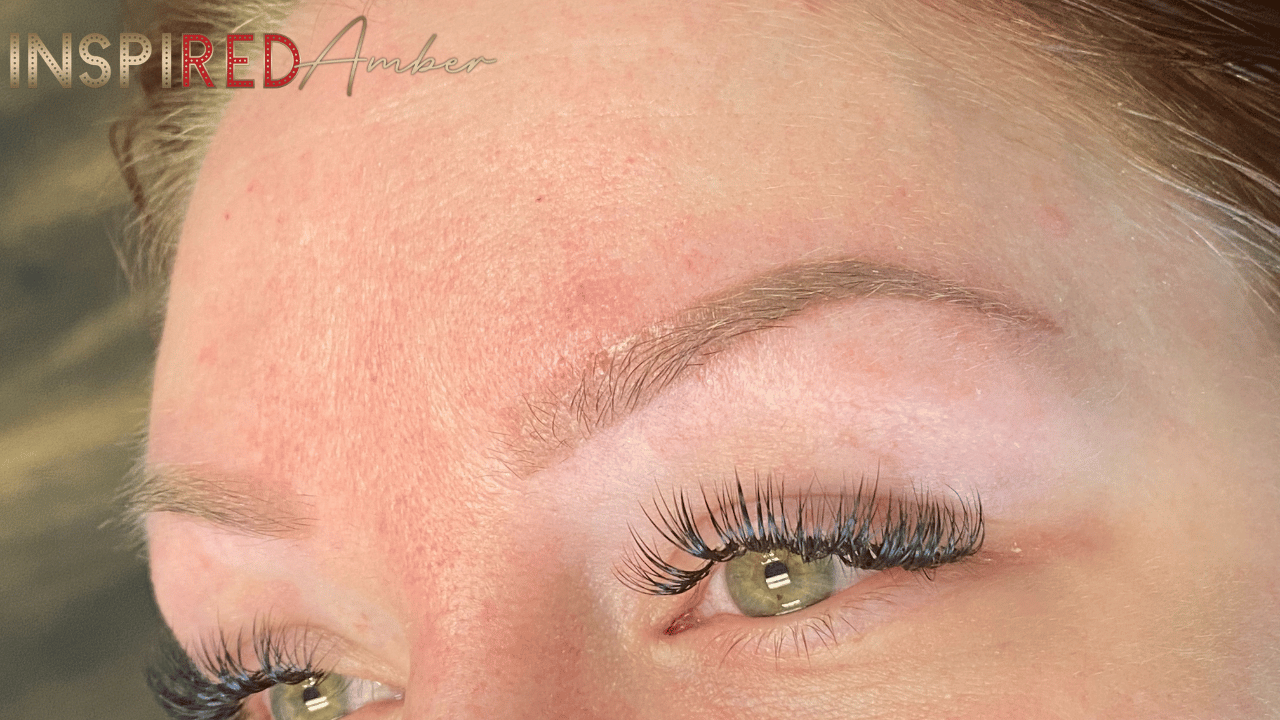
Is Permanent Makeup Safe for Sensitive Skin? Expert Advice
If you’ve been in the permanent makeup industry for a while—or you’re a client considering booking your first appointment—you’ve probably heard this question more times than you can count:
“Is permanent makeup safe for sensitive skin?”
Short answer? Yes… but not without the right approach.
Long answer? That’s what we’re getting into.
I’m going to break this down the way I would in my studio or in one of my trainings—no fluff, no fear-based nonsense, just real-world experience from years of working on all kinds of skin.
What Is Considered Sensitive Skin?
Before we even talk about permanent makeup, we need to define what “sensitive skin” actually means—because most people get this wrong.
Sensitive skin isn’t just:
-
“My skin gets a little red”
-
“I break out sometimes”
-
“I’m fair-skinned”
True sensitive skin usually reacts quickly and intensely to stimuli.
Common Signs of Sensitive Skin
-
Redness that lingers (not just temporary flushing)
-
Burning or stinging with skincare products
-
Frequent irritation or inflammation
-
Reactive to temperature changes
-
Allergic reactions (fragrance, metals, pigments, etc.)
-
Conditions like rosacea, eczema, or dermatitis
For Artists: What to Look for During Consultation
-
Thin, translucent skin
-
Visible capillaries
-
Patchy dryness or flaking
-
Client history of reactions to cosmetics or tattooing
-
Overuse of actives (retinol, acids)
If your client says, “I think I have sensitive skin,” your job is to dig deeper. Ask better questions. Don’t guess.
Is Permanent Makeup Safe for Sensitive Skin?
The Real Answer: It Depends on the Artist and the Approach
Permanent makeup (PMU) can absolutely be safe for sensitive skin—but only if it's done correctly.
The biggest risks don’t come from the skin type itself. They come from:
-
Poor technique
-
Incorrect depth
-
Aggressive passes
-
Low-quality pigments
-
Lack of proper pre-care and aftercare
Sensitive skin just exposes bad work faster.
How Sensitive Skin Reacts to Permanent Makeup
Let’s talk about what actually happens during a PMU procedure.
You are creating controlled trauma in the skin to implant pigment. With sensitive skin, that trauma can trigger:
Increased Redness and Swelling
This is normal—but in sensitive clients, it can be more intense and last longer.
Higher Risk of Inflammation
Overworking the skin = inflammation = poor healed results.
Slower Healing Process
Sensitive skin often takes longer to calm down and regenerate.
Potential Pigment Rejection
If the skin is too reactive, it may not hold pigment well.
When Permanent Makeup Is NOT Ideal for Sensitive Skin
This is where artists need to stop trying to book every client.
There are times when you should say no—or at least postpone.
Avoid PMU if the Client Has:
-
Active rosacea flare-ups
-
Open lesions or broken skin
-
Severe eczema in the treatment area
-
Active dermatitis
-
Recent chemical peels or laser treatments
-
Over-exfoliated or compromised skin barrier
Rule of thumb: If the skin is already inflamed, do not add more trauma.
How to Safely Perform PMU on Sensitive Skin
This is where experience matters. Sensitive skin isn’t a limitation—it just requires a smarter approach.
1. Adjust Your Technique
-
Use lighter pressure
-
Fewer passes
-
Avoid over-saturating the skin
-
Stretch carefully (don’t over-pull fragile skin)
If you’re used to working fast and aggressive, this is where you need to slow down.
2. Choose the Right Pigments
Not all pigments are created equal.
For sensitive clients:
-
Avoid heavily saturated or overly warm pigments
-
Use high-quality, stable pigment lines
-
Be cautious with additives or modifiers
Clients with sensitivities are more likely to react to poor-quality ingredients.
3. Patch Testing (When Necessary)
Patch tests aren’t always standard in PMU—but with highly sensitive clients, they can be a smart move.
Apply a small amount of pigment behind the ear or on the inner arm and monitor for 24–48 hours.
4. Prep the Skin Properly
For clients:
-
Stop retinol and exfoliants 1 month before
-
Avoid sun exposure
-
Keep skin hydrated and barrier healthy
For artists:
-
Do not work on compromised skin
-
Reschedule if needed (seriously—don’t force it)
5. Aftercare Is Everything
Sensitive skin clients need to take aftercare seriously.
Key Aftercare Tips:
-
Keep the area clean and dry
-
Avoid harsh products
-
No picking, scratching, or over-moisturizing
-
Use gentle, recommended healing products only
Healing is where most problems happen—not during the procedure.
Best PMU Services for Sensitive Skin
Not all services are equal when it comes to sensitivity.
Generally Safe (With Proper Technique):
-
Powder brows
-
Lip blush (with caution)
-
Soft eyeliner
Check out all the permanent makeup services we offer here!
Higher Risk:
-
Microblading (especially on thin or reactive skin)
Microblading creates more trauma due to manual cuts, which can be too aggressive for sensitive skin types.
If you’re an artist, consider offering machine work over microblading for these clients.
How Clients Can Tell If PMU Is Right for Them
If you’re a client reading this, here’s how to check yourself before booking:
Ask Yourself:
-
Do I react to most skincare products?
-
Have I had allergic reactions to tattoos or dyes before?
-
Is my skin currently irritated or inflamed?
-
Am I using strong active ingredients regularly?
If the answer is yes to multiple, you need a thorough consultation before moving forward.
Common Myths About Sensitive Skin and PMU
“Sensitive Skin Means I Can’t Get Permanent Makeup”
False.
It just means you need an experienced artist who knows how to work with your skin—not against it.
“More Passes = Better Results”
Absolutely not.
Overworking sensitive skin leads to:
-
Scarring
-
Poor pigment retention
-
Blown-out results
Less is more.
“If It’s Red, Keep Going”
No.
Redness is feedback. Listen to it.
Final Thoughts From an Artist Who’s Seen It All
Sensitive skin is not the problem. Lack of education and control is.
As an artist, your job is to:
-
Read the skin
-
Adjust your technique
-
Know when to stop
-
And sometimes… know when to say no
As a client, your job is to:
-
Be honest about your skin history
-
Follow instructions
-
Choose your artist carefully (this is not where you bargain hunt)
Permanent makeup can be completely safe and produce incredible results on sensitive skin—but only when it’s done with intention, skill, and respect for the skin.
If you take anything from this, let it be this:
The skin will always tell you what it can handle. You just have to know how to listen.
SIGN UP TO WATCH OUR FREE GREY BROW COLOR CORRECTION VIDEO & GET 50% OFF YOUR FIRST COURSE PURCHASE!
Become a VIP member, get updates on new events, monthly newsletters, PMU tips and tricks and exclusive offers!
We hate SPAM. We will never sell your information, for any reason. By filling out this form you are agreeing to subscribing to our email list and SMS marketing.


